
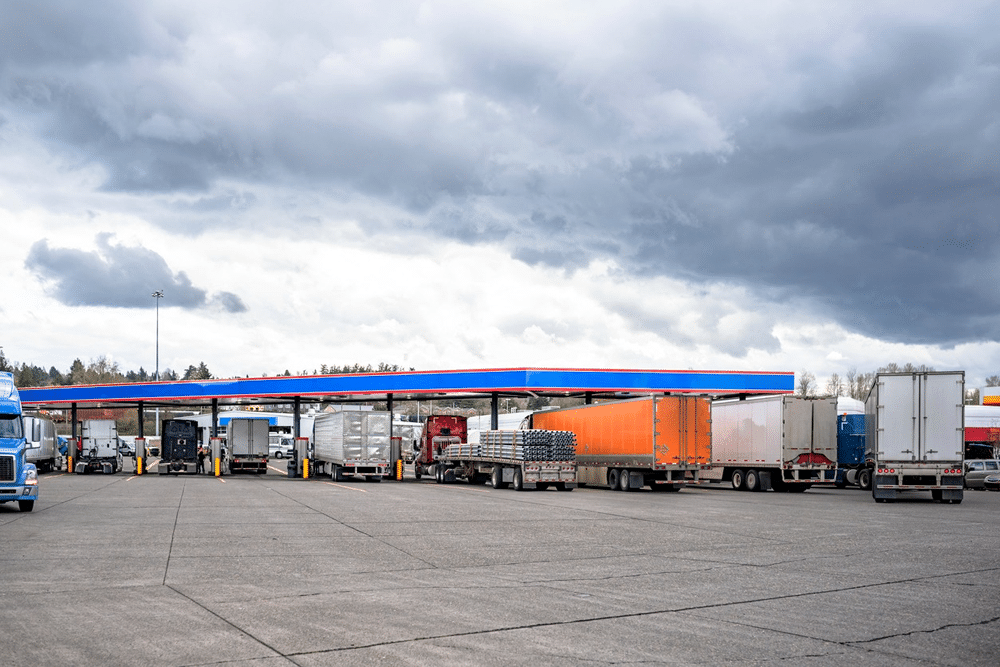
Transport Minister Barbara Creecy has launched the National Truck Stop Framework, the first coordinated attempt to define what a safe, decent truck stop should look like in South Africa.

On 17 September 2026, Transport Minister Barbara Creecy launched the National Truck Stop Framework (NTSF) at the Sasol N17 Truck Stop in Kinross, Mpumalanga. The Department of Transport describes it as a national roadmap for the planning, classification, investment and standardisation of truck stops. In plain terms, it is an attempt to bring order to the places where drivers eat, rest and sleep, and where fleet owners’ vehicles and cargo sit overnight.
For an industry that moves 84% of the country’s goods, contributes around 4.5% to GDP and employs roughly 800,000 people, the stops along the corridors have long been treated as an afterthought. The framework suggests that is about to change.
Why now: fatigue and security
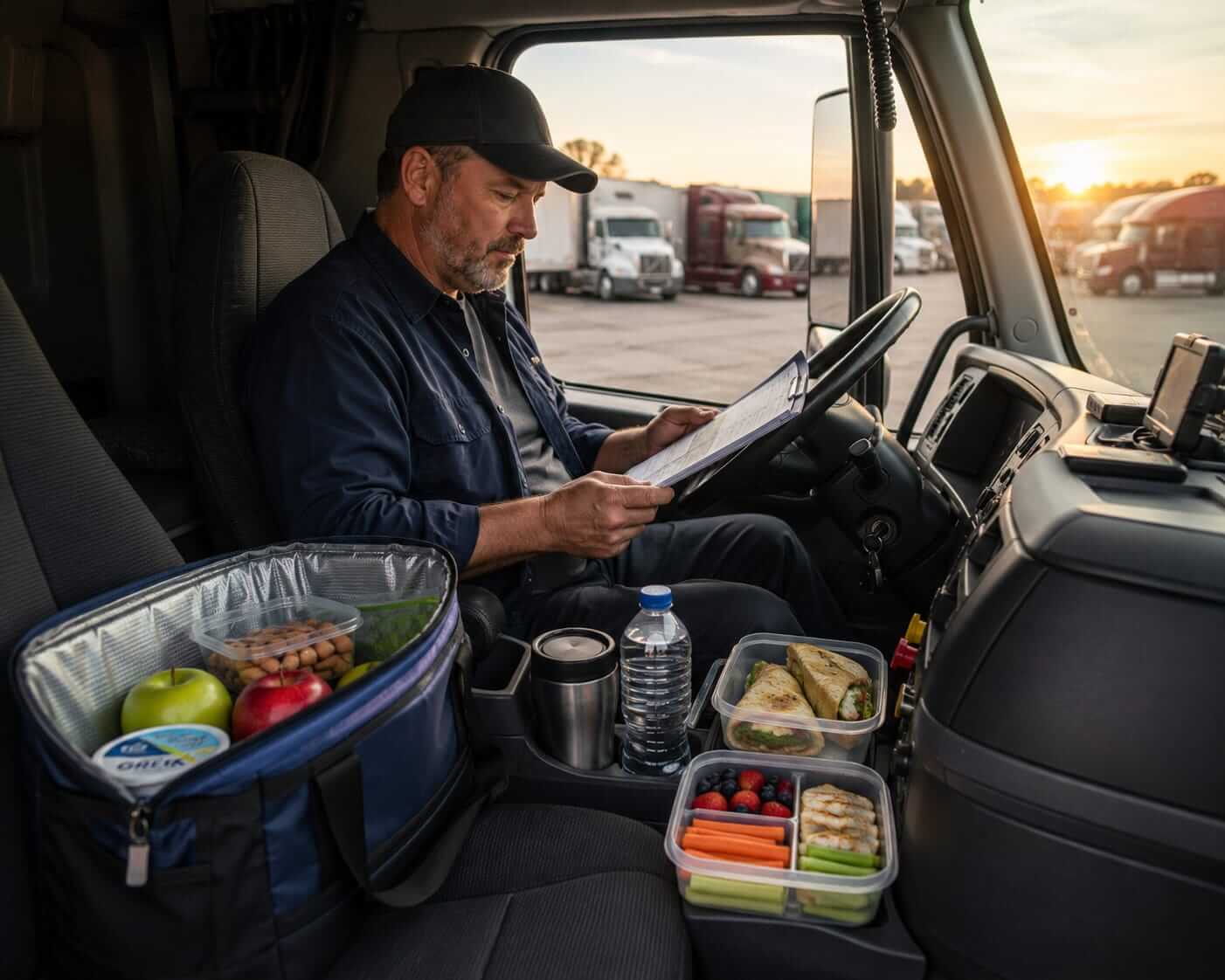
The framework’s central aim is to reduce driver fatigue, a leading cause of road crashes, by making safe, predictable and accessible rest areas available along major freight corridors. Any fleet manager who has had a driver push on past a sensible stopping point because the next stop was unknown or unsafe will recognise the problem.
Security is the other pressure point. Research by the Safer Stops Association found that only 22% of the truck stops it assessed had controlled entry and exit. That means roughly four in five assessed stops offered limited control over who comes and goes. For owners, that is a risk to drivers, vehicles and loads. For drivers, it is a question of whether they can sleep.
What the framework sets out
Classification. The framework introduces a system to assess and classify truck stops by security levels, lighting, parking capacity and available amenities. If it works as intended, a driver or dispatcher will be able to tell what a stop offers before arriving.
Driver wellness and dignity. The framework includes support for health screenings, eye clinics offering free spectacles, safety considerations for women drivers and proper sanitation. This is the part of the document closest to our own work at Fleet Wellness Matters. Driver health has too often been treated as the driver’s private problem. A national framework that places screening and basic facilities inside the definition of a good truck stop moves it into the infrastructure conversation.
A digital rating platform. The framework features a rating system, described in coverage as something like an “Airbnb or Booking.com for truck stops”, on which drivers can rate facilities. That gives drivers a voice, and it gives operators a commercial reason to keep standards up.
Cleaner energy. Plans include infrastructure such as electric truck charging, signalling that the department expects the stops of the future to serve a changing fleet.
What fleet managers and owners should do now
- Review your routes. Map where your drivers currently stop overnight and ask honestly whether those stops would pass a classification based on security, lighting, parking and amenities.
- Build stop quality into trip planning. Once classifications exist, route plans and driving-hour schedules can be built around verified stops rather than guesswork.
- Watch the ratings. Driver feedback on a national platform will be a free source of intelligence on the stops your fleet relies on.
- Think about duty of care. Controlled access, lighting and sanitation are safety and retention issues. Better stops support fatigue management, cargo protection and driver loyalty.
- Read the document. The full framework runs to 162 pages. Operators planning investment, or working with developers of stops, should study the classification criteria in detail.
What drivers should know
The framework is aimed squarely at your working conditions: somewhere safe to park, clean ablution facilities, access to health screening and eye tests, and a way to say publicly when a stop is not good enough. Drivers who report fatigue, security concerns or poor facilities will have a formal channel for doing so once the rating platform is running. Use it, and encourage colleagues to do the same.
The open questions
A framework is a roadmap, not a finished road. Fleet managers will want to see how classification is applied in practice, how quickly existing stops are assessed, who funds upgrades, and how private developers and stop operators are encouraged to invest. Much will depend on implementation at provincial and local level. The framework is described as nationally coordinated but locally adaptable, which leaves room for uneven progress.
Even so, the direction is clear. Truck stops are now recognised as part of the road safety system and as workplaces. For a sector that has long absorbed the cost of poor roadside infrastructure, that recognition is overdue.
Fleet Wellness Matters will follow the rollout of the NTSF, including classification and the rating platform, and report on what it means for drivers and operators.