
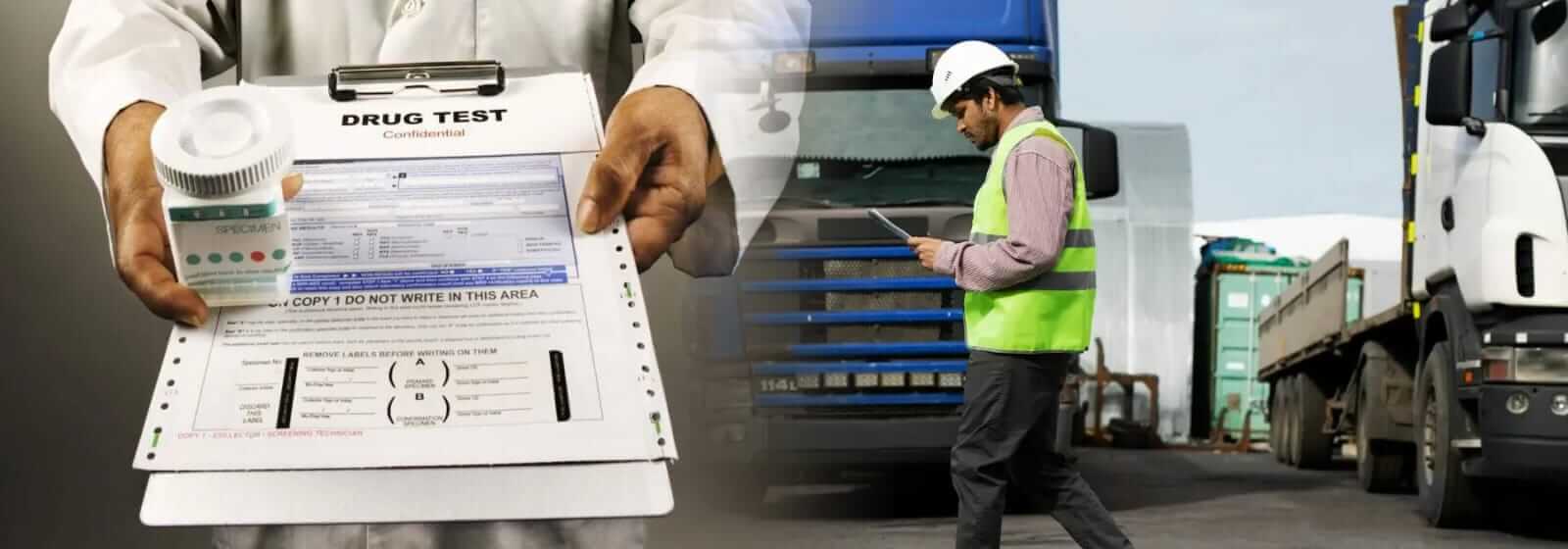
A clear workplace alcohol and drug policy helps transport businesses explain safety expectations, reporting procedures and the steps taken when a fitness-for-duty concern arises.
A policy should protect road safety while treating workers fairly and respecting applicable labour, privacy and health requirements.
A practical policy should cover:
- The company’s fitness-for-duty and impairment rules.
- Which roles and circumstances are covered.
- The circumstances in which testing may be required.
- Approved testing procedures and the handling of disputed or inconclusive results.
- Confidential handling of personal information.
- The process for removing a person from safety-sensitive duties when necessary.
- Access to support, referral or assistance where appropriate.
- Fair investigation, disciplinary procedures and the right to respond.
Before implementation: Have the policy reviewed against applicable South African labour law, occupational health and safety obligations, privacy requirements and any relevant collective agreements.
The takeaway: A good policy sets clear safety standards, follows a fair process and protects confidential information.